
What Interior Designers Never Do When Decorating a Living Room
Interior designers know exactly what to do when decorating a living room. They also know what to avoid. After years of seeing the same issues come up in client homes, certain choices stand out as consistent troublemakers because they tend to make spaces feel uncomfortable, unfinished, or harder to live with over time.
Want to know what to avoid? Here are three things interior designers never do in a living room:
Uploft founder and interior designer Betsy Helmuth explains common living room design mistakes she avoids.
Why do interior designers avoid painting living room walls stark white?
Interior designers avoid stark white walls because they often make living rooms feel flat, unfinished, or overly clinical. While white trim helps define architectural details, using the same stark white on walls removes contrast and can drain warmth from the space.
That doesn’t mean designers avoid light walls. It means they choose whites carefully. In real homes, stark white walls often:
- Highlight shadows and imperfections instead of softening them
- Clash with warm woods, upholstery, and flooring
- Feel harsh in the evening when natural light fades
Designers typically prefer warmer whites, soft creams, or light neutrals that still feel bright but allow the trim to stand out. We see this correction come up constantly in consultations, especially in living rooms that feel cold despite having good furniture and decor. White trim works. Stark white walls usually don’t.
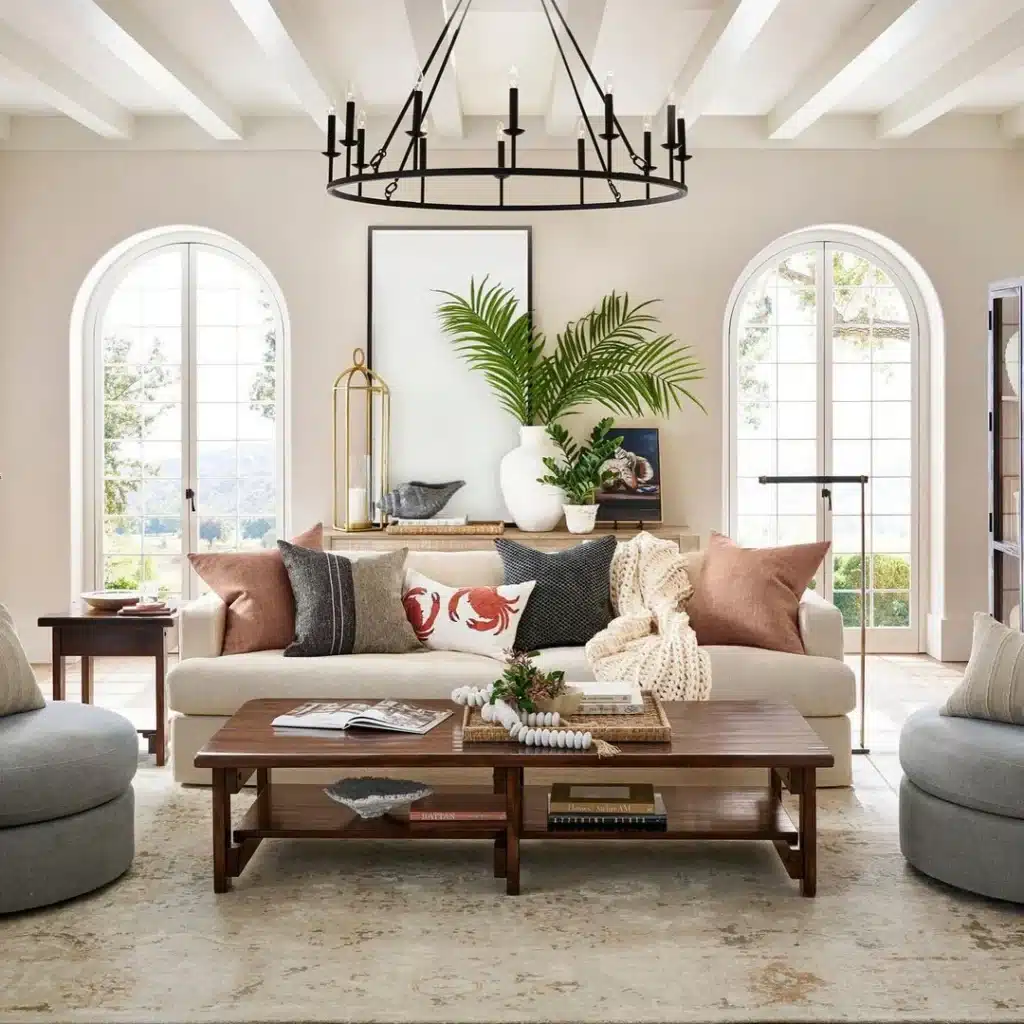
Image: Froy
Why do interior designers never mount TVs too high?
Interior designers never mount TVs too high because it disrupts comfort and throws off the room’s visual balance. A television should sit at eye level when you’re seated on the sofa, not above the fireplace or halfway up the wall.
When TVs are mounted too high, the space can feel like a waiting room instead of a place to relax. Common issues we see:
- Neck strain from looking upward
- Furniture arrangements that feel disconnected from the screen
- Living rooms that prioritize the TV over the people using the space
This mistake comes up so often that it’s usually one of the first things designers flag. Clients are often surprised to learn that a lower TV placement can look more intentional and integrate better with the rest of the room. Comfort always wins here, and the room instantly feels more grounded when the TV is brought down to the right height.
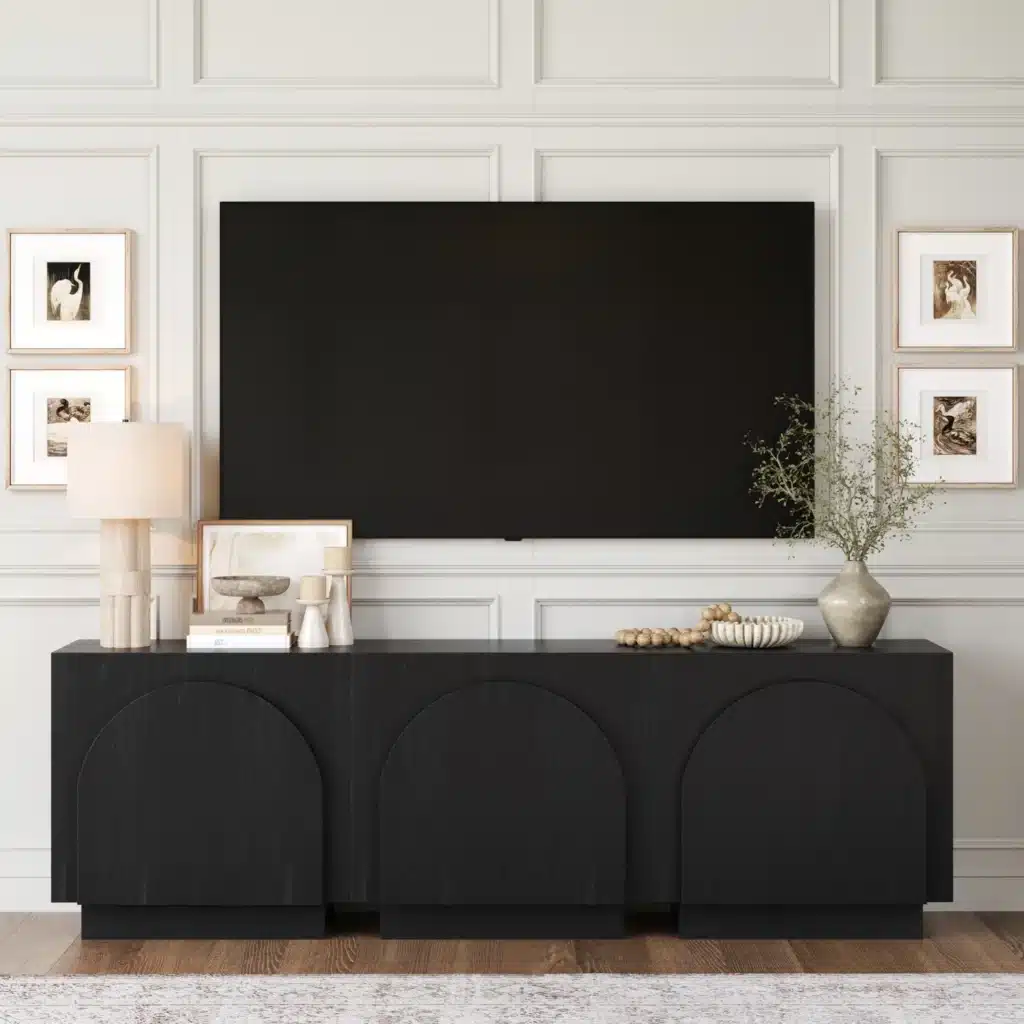
Image: Nathan James
Why do interior designers use more than two throw pillows on a sofa?
Interior designers never stop at just two throw pillows because it makes a sofa feel unfinished and visually flat. A well-styled sofa typically needs at least two sets of pillows to create balance and depth. This is especially true for sectionals.
Designers usually recommend:
- Two sets of pillows on a standard sofa
- Additional pillows on sectionals to anchor corners
- A throw blanket layered over the back or arm for softness
From experience, we see clients hesitate here because they don’t want the sofa to feel cluttered. But the opposite tends to happen. Too few pillows make the furniture feel bare, while layered pillows and a throw add dimension and make the seating feel more inviting. It’s one of those details that effortlessly changes how finished the room feels.
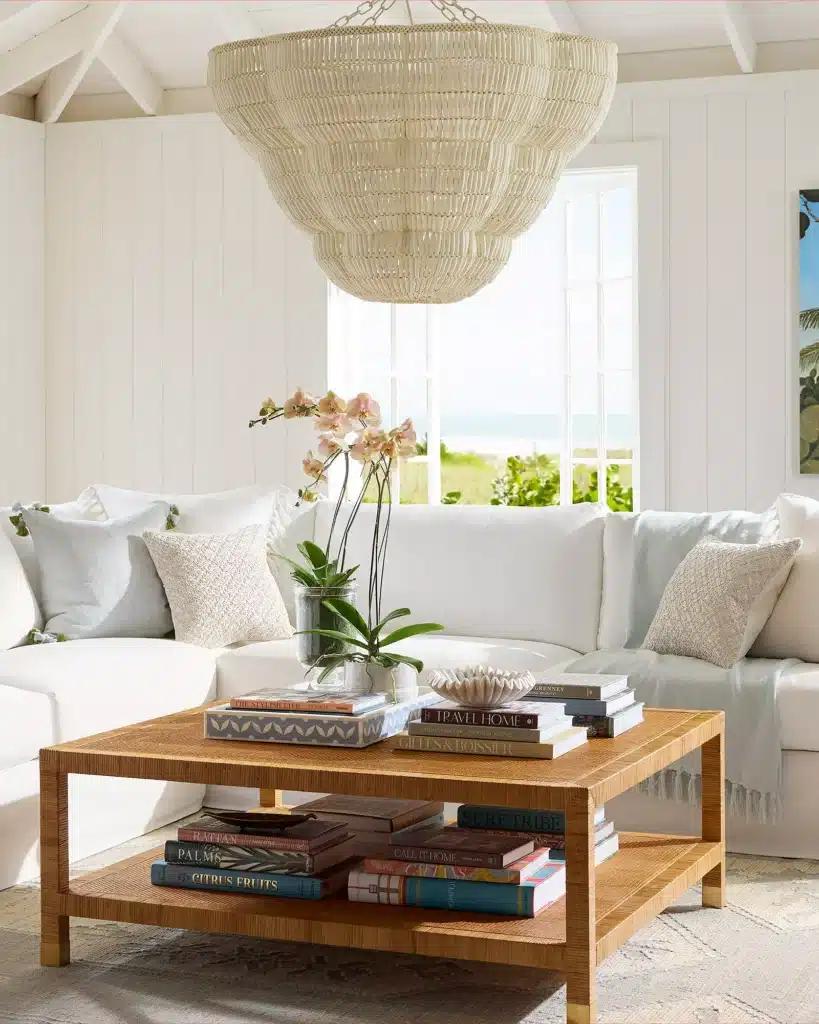
Image: Serena & Lily
The fix is simpler than you think
Living rooms usually feel off because a handful of small choices add up over time. Stark white walls, TVs mounted too high, and understyled sofas are all issues interior designers spot immediately because they consistently impact comfort and balance. Avoid these common missteps and your living room will feel warmer, more functional, and more intentional without a major overhaul.
And if you’re not sure which changes will make the biggest difference in your space, our team can help you see it clearly. Book a complimentary design consultation, and we’ll guide you through the fixes that matter most.