
The Honest Design Advice Most Interior Designers Think but Don’t Always Say
There’s advice interior designers politely give…and then there’s what we quietly think. We’re not trying to shame your space. We’re trying to give you clarity. The small details that seem harmless — a coat rack by the door, drapes that stop short, nowhere to set down a drink — are often the very things keeping a room from feeling finished or working the way it should.
If you want your home to feel intentional, elevated, and pulled together, here are five pieces of interior designer advice that might sting a little but work every time:
1: Stop Displaying Your Coats in the Entryway
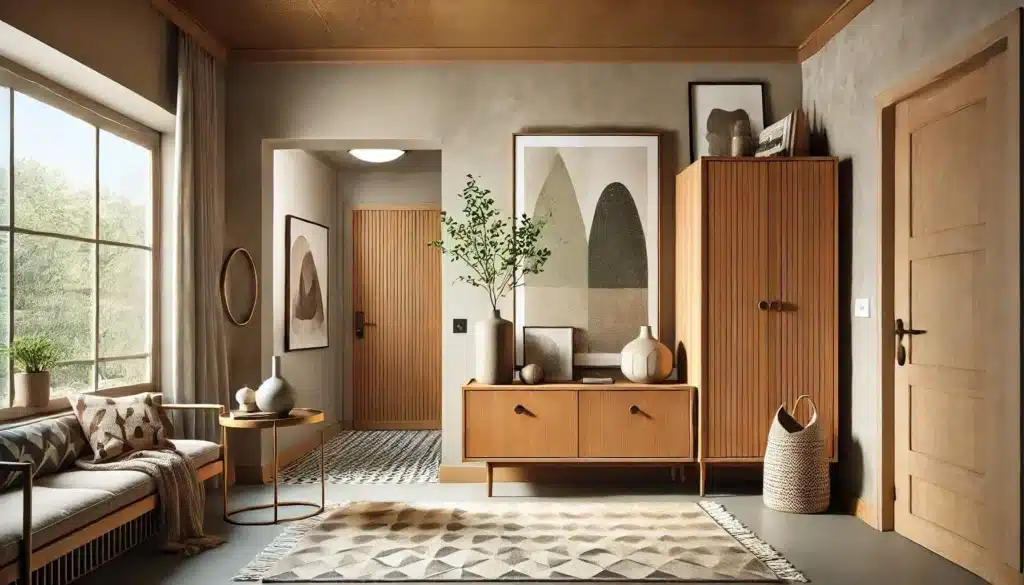
No hooks filled with coats. No coat trees overflowing by the front door. An entry sets the tone for your entire home. When coats are the first thing you see, the space immediately feels cluttered and temporary, even if the rest of your home is beautifully designed.
Designers think in terms of first impressions. If storage is needed, it should be closed storage: a closet, an armoire, or built-ins with doors. Even a small entry can feel polished when visual noise is minimized.
2: Your Drapes Are Too Short
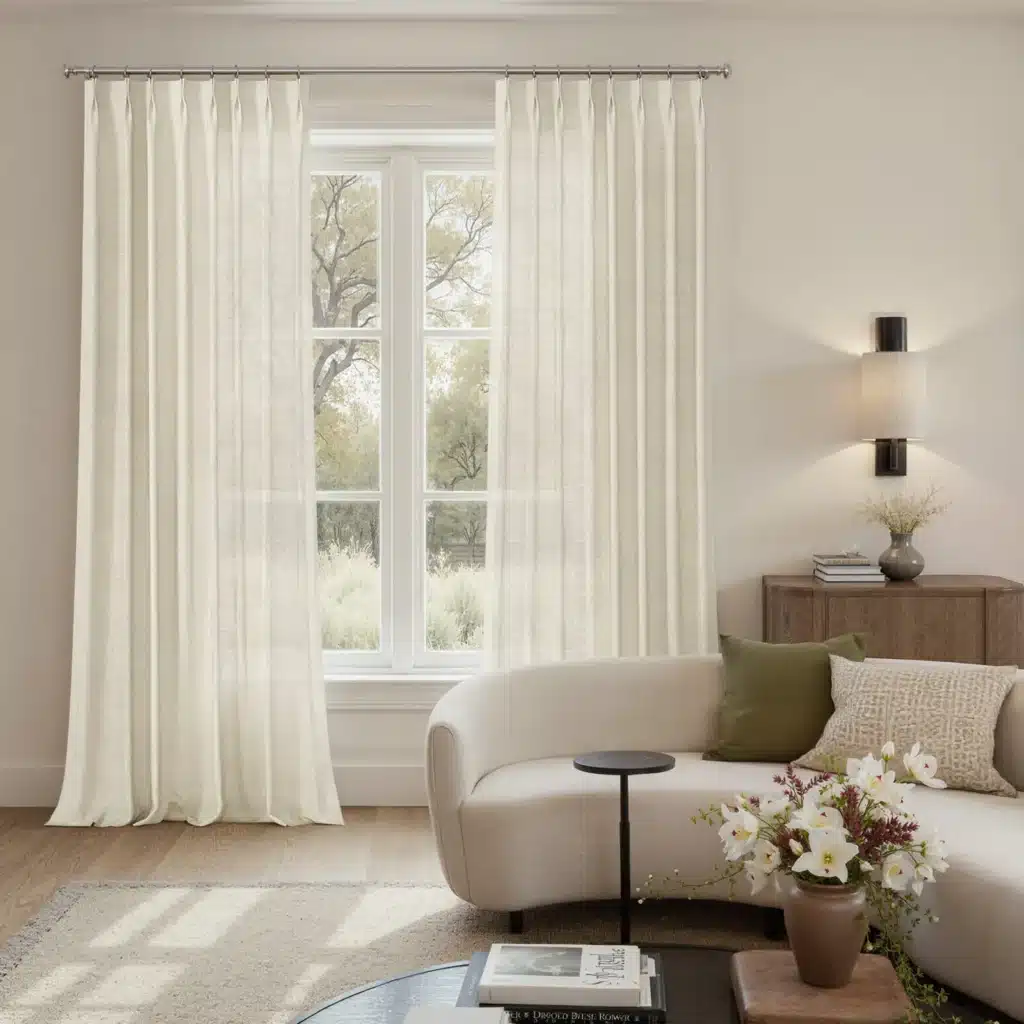
If your drapes don’t brush the floor, they’re too short. High-mounted rods and full-length panels visually stretch a room. Short drapes visually shrink it. It’s one of the fastest ways to make a space feel unintentionally dated.
Designers mount rods higher than the window frame and allow fabric to skim or lightly kiss the floor. The result feels tailored and deliberate instead of temporary. It’s a small adjustment that completely changes proportion.
3: You Don’t Have Enough Accent Tables
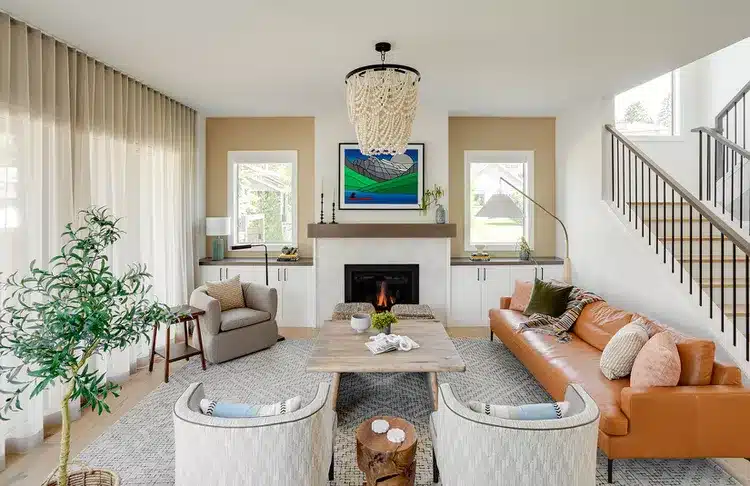
If a guest reaches around looking for a place to set down a drink and can’t find one, you don’t have enough accent tables. Every primary seat should have access to a surface within reach. When it doesn’t, the room feels incomplete (and maybe slightly annoying) even if you can’t articulate why.
Designers layer:
- Side tables next to sofas
- Small drink tables near accent chairs
- Coffee tables scaled appropriately
Function creates comfort. Comfort creates cohesion.
4: Nobody Actually Wants to Sit on an Ottoman
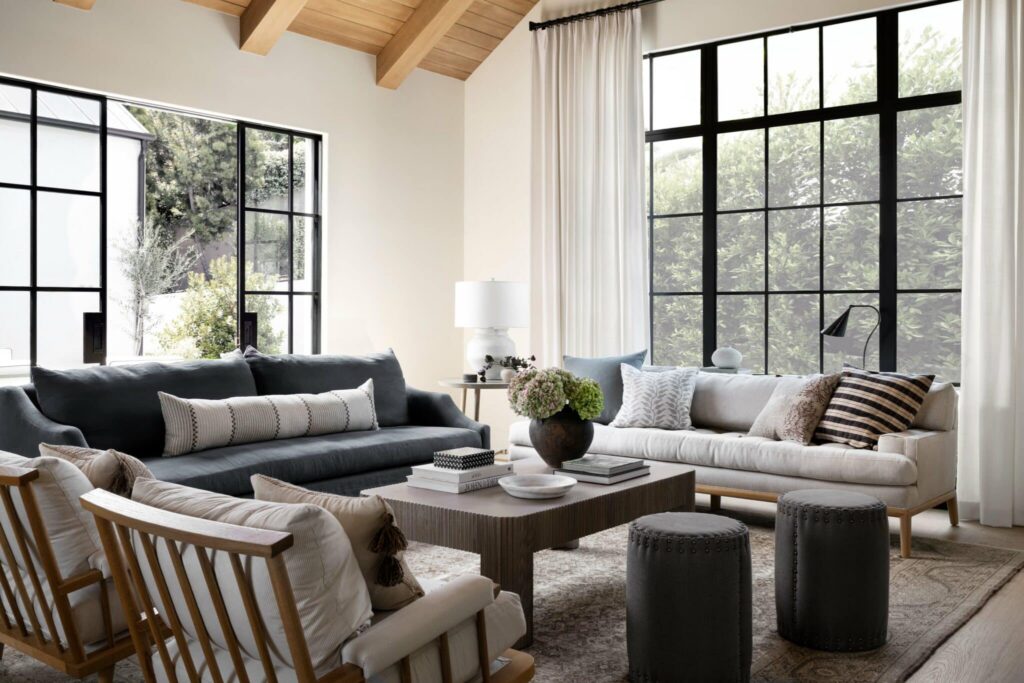
Clients often say they need more seating and suggest adding ottomans. But ottomans are flexible pieces, not primary seating. People prefer chairs with backs. A room filled with ottomans may technically seat more people, but it won’t feel inviting for long conversations.
Designers prioritize:
- Proper chairs with support
- Defined seating zones
- Comfort over technical capacity
Seating should feel welcoming, not improvised.
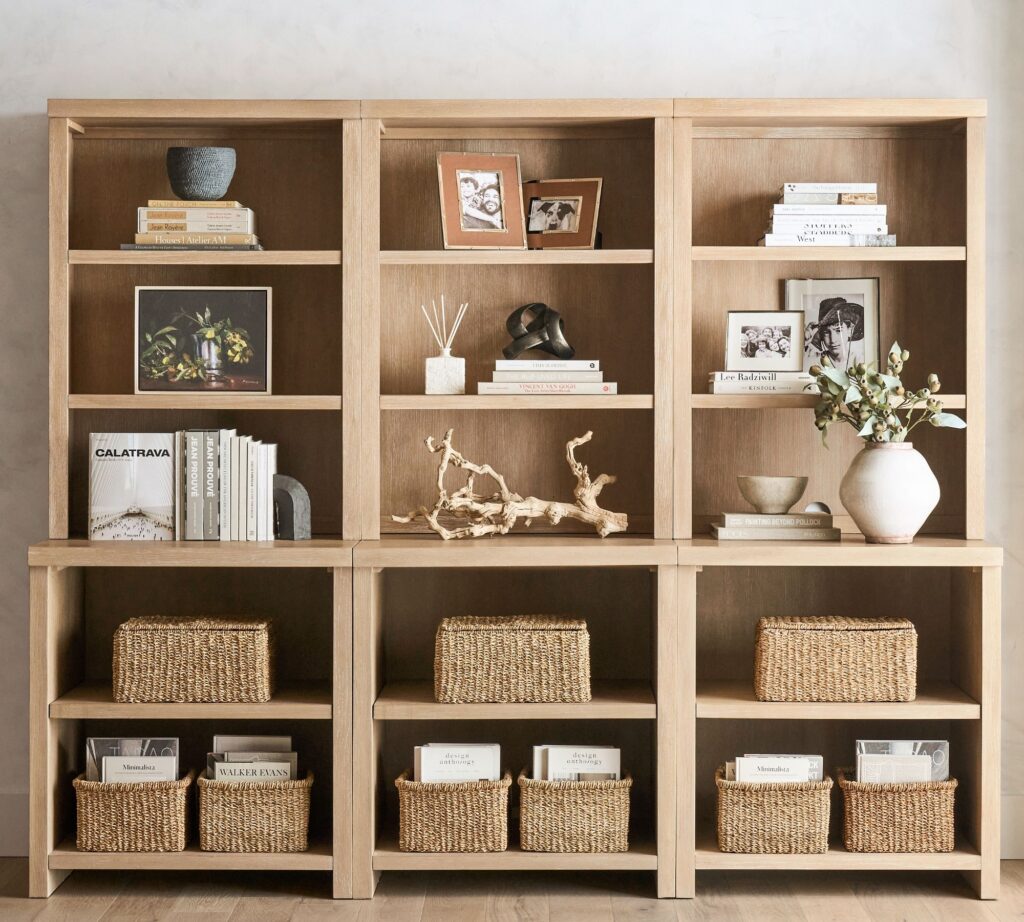
5: It’s Called a Bookcase for a Reason
Bookcases styled with only decor often feel staged instead of lived-in. A few vertically or horizontally stacked books instantly add weight and authenticity. They ground decorative objects and create natural variation.
Without books, shelving can feel flat or overly curated. With books, it feels layered and real. Sometimes the simplest interior designer advice is the most overlooked.
The Fix Is Simpler Than You Think
None of these changes requires a renovation. They require awareness. Interior designer advice often comes down to proportion, visibility, and function. Hide what creates clutter. Extend what creates height. Add surfaces where people need them. Choose comfort over filler. When these small shifts happen, rooms start to feel intentional instead of almost finished.
And if you’re unsure which adjustments will make the biggest impact in your home, our team can help you see it clearly. Book a complimentary design consultation, and we’ll guide you through the changes that matter most.