
What Interior Designers Always Do When Decorating a Living Room
When interior designers decorate a living room, the goal isn’t to chase trends or create something that only looks good in photos. It’s to build a space that feels comfortable, cohesive, and adaptable over time. After years of working with real clients and real homes, certain decisions consistently rise to the top.
These are three things interior designers always do when decorating a living room — not because they’re trendy, but because they work.
Why do interior designers hang drapery rods higher than the window frame?
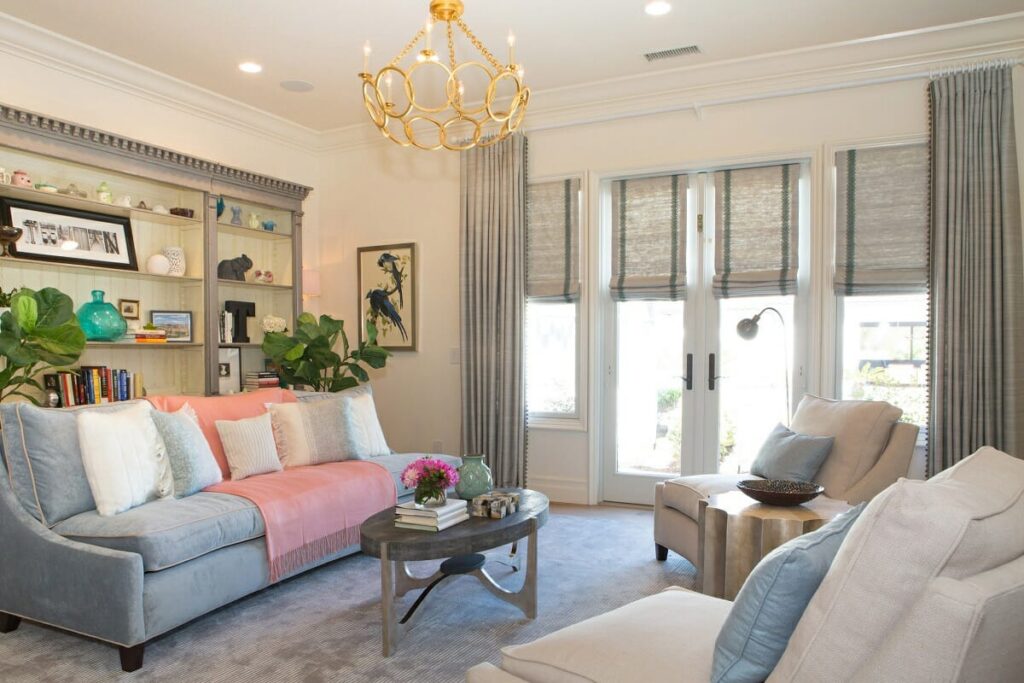
Interior designers mount drapery rods higher than the window frame because it visually elongates the walls, makes windows feel larger, and creates a more polished backdrop for the room. Hanging curtains close to the ceiling (like Decorilla shows below) draws the eye upward, improves proportions, and instantly elevates even basic window treatments.
This is one of the fastest ways to make a living room feel more finished, but it’s also one of the most commonly missed details we see during consultations.
Here’s why designers do this every time:
- Higher rods emphasize ceiling height, even in smaller rooms
- Panels fall more gracefully and frame the space, not just the glass
- Furniture placed below the window feels more intentional and grounded
From experience, this is a detail clients often hesitate over at first, but one they notice most once it’s done. The room immediately feels taller and more considered, without buying a single new piece of furniture.
Why do interior designers choose neutral sofas instead of bold colors?
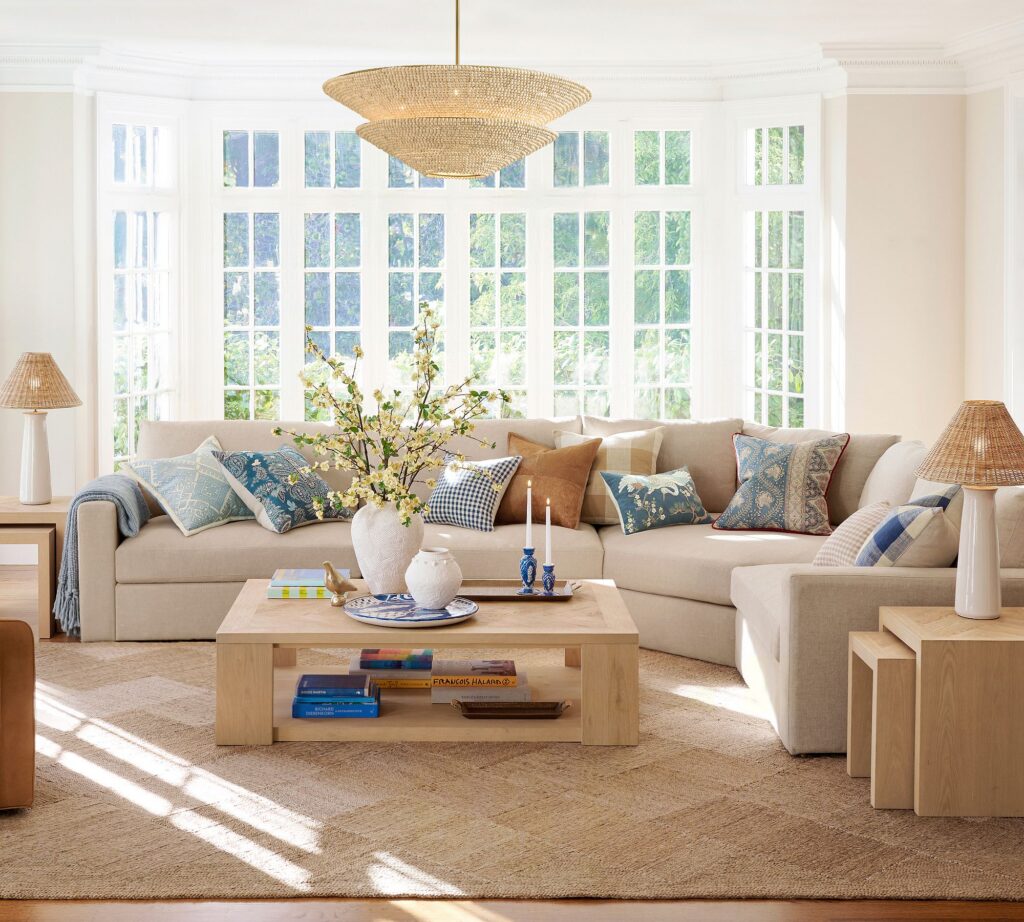
Interior designers typically choose neutral sofas because a sofa has one of the longest lifespans in the room. While accent pieces change frequently, a couch often stays put for 10 to 15 years. Neutral upholstery like one of our favorites from Pottery Barn pictured here keeps the space flexible and prevents homeowners from being locked into one color story long term.
This is a decision rooted in longevity, not fear of color. Designers rely on neutrals like cream, beige, or gray for the sofa because:
- They adapt easily as styles and tastes evolve
- They allow seasonal color shifts through pillows and throws
- They don’t visually dominate the room over time
In practice, we see clients regret bold sofa colors far more often than neutral ones. A sofa in a strong hue can feel exciting at first, but years later it limits rug choices, wall colors, and accessories. Designers prefer to layer color through elements that are easier and less expensive to swap.
This is also where personal style still shines, just in a more flexible way.
Why do interior designers layer lighting around every seating area?
Interior designers layer lighting because overhead lighting alone never creates a comfortable living room. Instead of relying on a single ceiling fixture, designers build multiple pools of light around how people actually sit, read, and relax.
Every seating area should have its own light source. This usually means:
- A floor lamp next to a reading chair
- Two table lamps flanking the sofa
- Warm bulbs that soften the room at night
From experience, lighting is one of the biggest reasons a living room feels flat or unfinished. Clients often assume something is wrong with the furniture when the real issue is that the room only works during the day. Layered lighting changes how the space feels after dark and makes it genuinely livable.
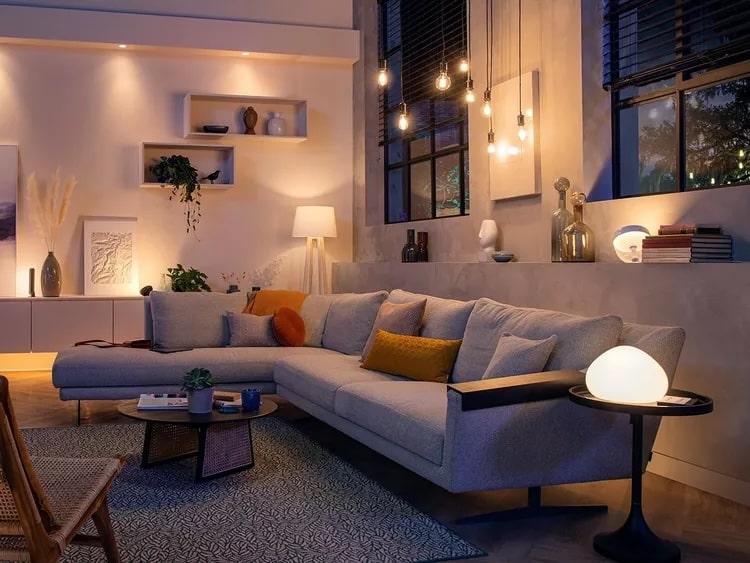
Designers don’t aim for brightness. They aim for ambiance and comfort, like the photo below from Martha Stewart.
Legendary living rooms start here
Great living rooms are built on decisions that hold up over time. Hanging drapery higher than expected, choosing a neutral sofa, and layering light around seating may seem subtle, but together they create rooms that feel intentional, flexible, and welcoming.
If your living room feels close to right but not quite there, these are often the details that make the difference. And if you’re not sure how to apply them in your own space, our team can help you see what’s missing and why. Book a complimentary design consultation and we’ll help you build a living room that works now and years from now.