
Why Your Living Room Still Feels Off, Even With New Furniture
Buying new furniture feels like it should solve everything. A new sofa arrives, a rug gets rolled out, maybe a chair or coffee table is added, and yet your room still doesn’t feel right. This is one of the most common frustrations we hear from clients.
So, what’s the problem? It’s usually not about buying better pieces. It’s about how those pieces are working together — or not.
A room can have great furniture and still feel awkward if the layout doesn’t support conversation, the lighting falls flat at night, or nothing anchors the eye when you walk in. When those elements aren’t resolved, even beautiful additions won’t fix the discomfort.
Before replacing anything else, step back and look at how the room is functioning:
Why new furniture doesn’t automatically fix a living room
Living rooms don’t feel off because of one bad purchase. They feel off when layout, lighting, and hierarchy haven’t been addressed first. Furniture alone can’t correct those underlying issues.It’s easy to assume something is wrong with the pieces themselves. The sofa must be too small. The rug must be the wrong color. The chair must not match.
But most of the time, the furniture isn’t failing, the plan is. Interior designers see this constantly. A room may have perfectly good pieces, but they were layered in without a clear structure for how the space should work day to day.
You might notice:
- seating arranged without a defined conversation zone
- traffic paths cutting straight through the middle of the room
- lighting that works in daylight but leaves the space flat at night
New furniture can’t fix those problems because they’re not furniture problems. They’re layout and function problems.
Why layout matters more than individual pieces
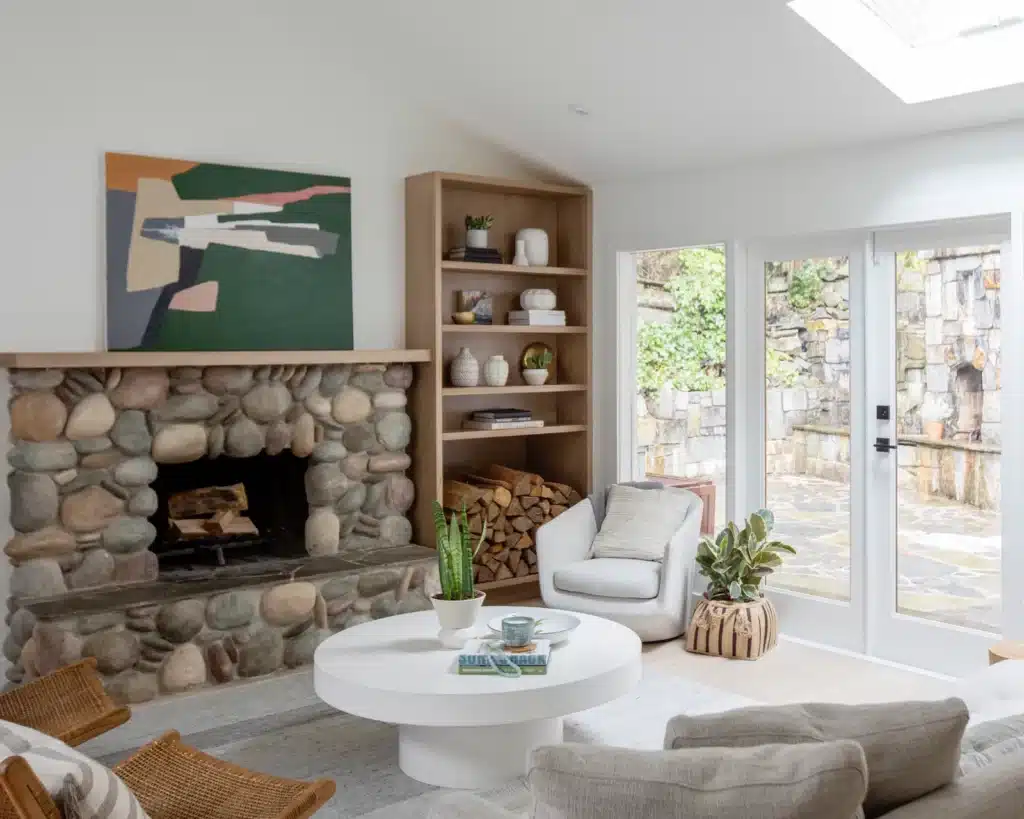
Layout determines how a living room is experienced. It controls where people sit, how they move through the space, and whether the room feels welcoming or constrained.
When layout isn’t prioritized, designers often see:
- sofas pushed too far from chairs
- coffee tables that interrupt circulation
- furniture floating without visual connection
This is why living rooms can feel uncomfortable even when they’re newly furnished. The pieces may be attractive, but the relationships between them haven’t been resolved.
Designers approach layout before shopping because once the spacing works, furniture choices become much easier to evaluate.
Why lighting is usually the missing ingredient
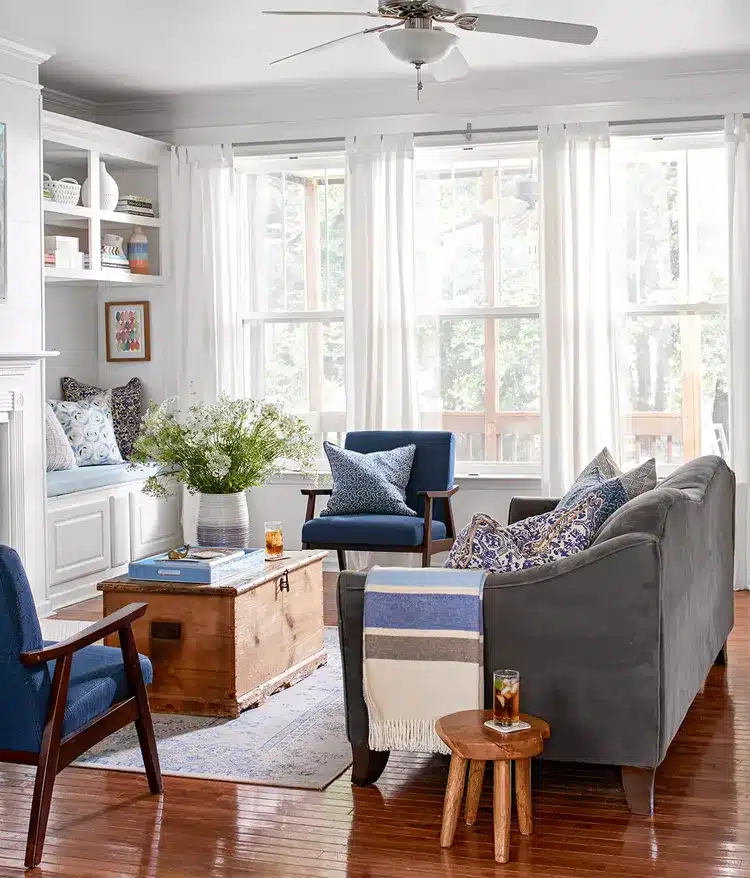
Lighting is one of the most common reasons a living room still feels unfinished after new furniture arrives. Overhead lighting alone rarely creates a comfortable or functional space.
From experience, designers see living rooms struggle when:
- there aren’t enough lamps near seating
- light is evenly bright instead of layered
- evening lighting feels harsh or flat
Layered lighting creates depth and warmth. It also changes how furniture and finishes are perceived. Without it, even well-designed rooms can feel uninviting after dark.
Why rooms without hierarchy feel unsettled
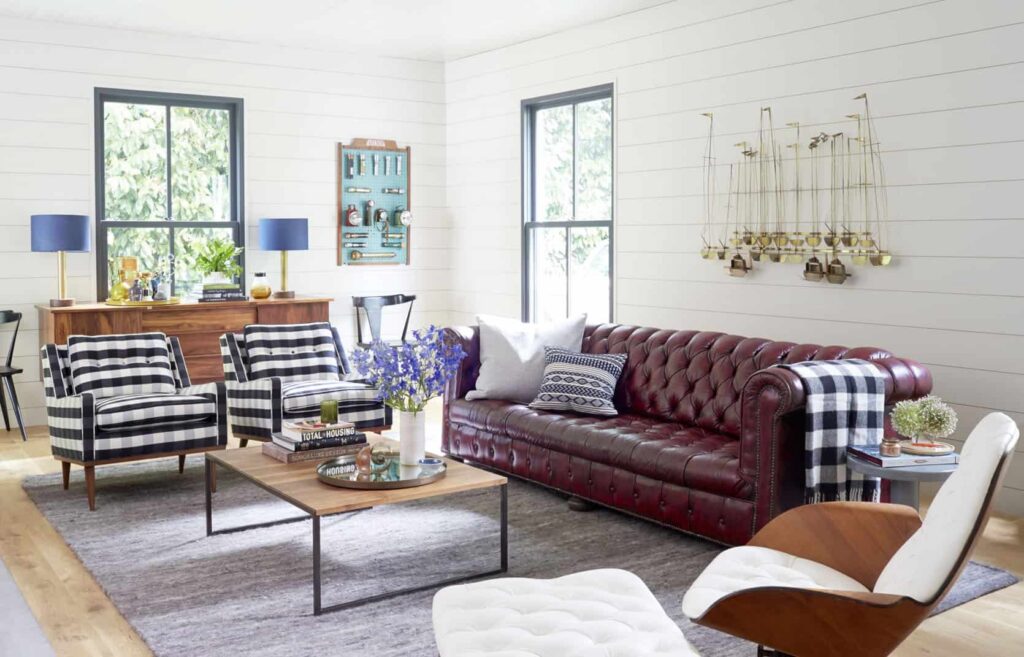
Hierarchy gives a living room direction. Without it, the eye doesn’t know where to land, and the space feels unresolved.
Designers notice hierarchy problems when:
- there is no clear focal point in the space
- all furniture feels the same visual weight
- decor is spread evenly instead of intentionally
- color and contrast are avoided entirely
Often, this happens when furniture is purchased piece by piece instead of as part of a system. The room ends up with plenty of elements, but no clear structure tying them together.
Hierarchy doesn’t mean boldness everywhere. It means knowing which elements lead and which support.

Why design decisions work better as a system
Living rooms function best when decisions are made as a group rather than in isolation. Furniture, lighting, layout, and color all influence one another.
When designers think in systems:
- layout supports conversation and movement
- lighting enhances how the room is used
- furniture choices feel cohesive rather than accidental
This is why a living room can feel “almost there” indefinitely. The individual pieces aren’t the issue the system hasn’t been completed.
How to finally get it right
If your living room still feels off after buying new furniture, it’s not a failure on your part. It’s usually a sign that the bigger picture was never addressed. Layout, lighting, and hierarchy do far more to shape how a room feels than any single piece ever could.
Once those foundations are in place, furniture decisions become clearer and more effective. And if you’re unsure what’s missing in your space, our team can help you identify it quickly. Book a complimentary design consultation, and we’ll help you get your living room across the finish line.